
Learn How To Make Almond Flour at home with this easy recipe if you are looking for the perfect low-carb flour alternative. With just a few simple steps, you can make your own almond flour in minutes, which you can use not only for baking but also for many different dishes.
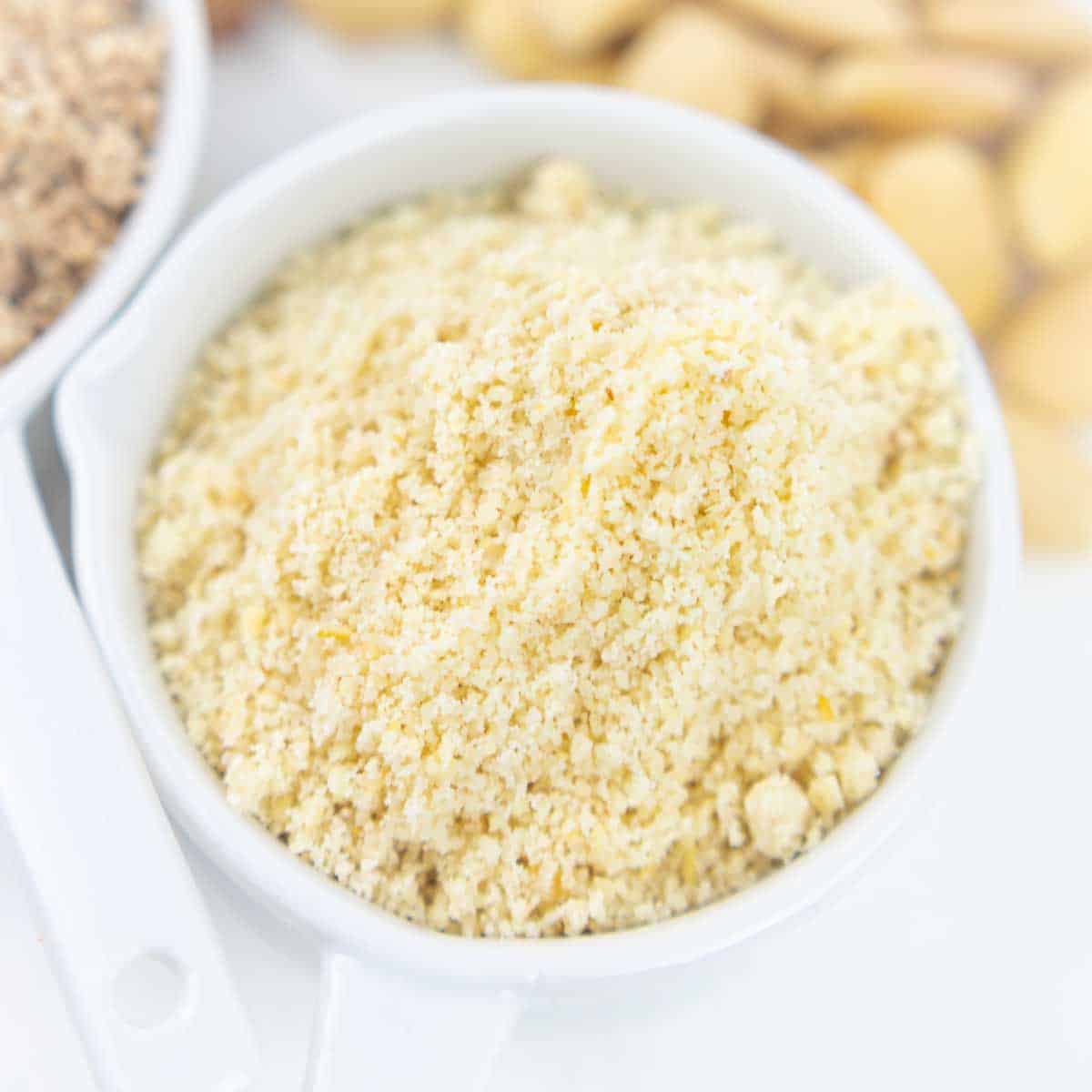
The minute I found out I could make my own flour, I stopped ordering. We all know how extremely expensive almond flour is, and for those following a low-carb lifestyle, it is needed daily.
It is the best alternative to flour with high carbs for baking bundt cake or rhubarb dump cake. You can also use it for savory recipes like our gluten-free pretzels.

Why You Will Love This Recipe
- Made Fresh – when you are the one who makes your almond flour at home, it is undoubtedly fresh and full of flavor compared to those store-bought varieties, which may have been sitting on shelves for a while.
- Healthier Option – almond flour is naturally gluten-free and low in carbs, which is why it is popular for those following gluten-free or low-carb diets.
- Customizable Texture – making it at home also gives you control over the texture of your almond flour. You can make it fine or coarse, depending on your preference and what you use it for.
Making Flour At Home
One of the things I learned about making my pantry ingredients at home is that I can make everything possible and even easier than just getting store-bought ones. Making my almond flour at home is so satisfying because I never thought I would ever come to the point where I make everything from scratch.
If you are starting to live with clean eating and want to explore different pantry staples, try this gluten-free flour recipe. The best part is that all you need are whole almonds to do it.

What Is The Main Difference Between Almond Meal and Almond Flour?
Almond meal is made from unpeeled almonds and, therefore, is darker in color. Almond flour, on the other side, is made from almonds that have been peeled, and you get beautiful white flour out of it.
While almond meal provides additional fiber from the skin of almonds, it is not always preferred, especially when baking cupcakes or cakes, where you care about the look. Almond flour achieves beautifully light cupcakes.
Anything chocolaty, when you do not need that light look, is made with almond meal. Or at least, that’s how I segregate and use them.
Why Almond Flour Is Better Than All-Purpose Flour?
For clean eating and low-carb lifestyles, almond nut flour is better than wheat or all-purpose flour. Since almond flour is made from freshly peeled almonds, it is entirely gluten-free and perfect for any baking recipe.
One thing I like about almonds is you can also make almond milk out of them and use the leftover almond pulp if any recipe calls for almond flour. It has many uses and is a helpful staple to store in your pantry.

How To Make Almond Flour Recipe
This homemade recipe for almond flour requires only 1 ingredient and can be made in 2 minutes. Simply follow the whole procedure and prepare any blender of your choice. Let’s dive in.
Kitchen Gadgets:
- Magic Bullet Blender: Is perfect for blending the almonds to achieve their flour texture. Use any blender available at home, whether a food processor or a coffee grinder.
Ingredients:
- Almonds: You can easily find these in your local grocery store’s nuts and seeds aisle. Look for unsalted, raw almonds for the best results. You can also use soaked almonds, but ensure they are thoroughly dried before grinding.
*Exact measurements are listed in the recipe card below.
FULL INSTRUCTIONS WITH STEPS FOR HOMEMADE ALMOND FLOUR
First Step: Prepare The Almonds
You only need one ingredient for this recipe: almonds. If you do not have already peeled nuts, prepare the almonds by peeling them. The easiest way to peel your almonds is to soak or cook them for a few minutes, and then the skin pops up.
If you plan to use soaked almonds, soak them in water overnight and dry them thoroughly using a dehydrator before grinding them. You can also try using blanched almonds for this almond flour recipe.

Second Step: Prepare the Blender
Start placing the almonds into the blender.
You can use any blender you choose as long as it will do the work. Grind the almonds to turn them into finely ground flour. In my case, I am using a magic bullet blender since I am only making a small batch.

Third Step: Grind
Once you transfer them into the blender cup, start pulsing the almonds in short bursts until they reach a fine, flour-like consistency. Be careful not to over-process because you might end up with almond butter instead.
Once done, store in an airtight jar.

TRICKS AND TIPS BEFORE YOU MAKE YOUR OWN ALMOND FLOUR:
- Quality almonds – choose high-quality raw almonds for the best results.
- Soaked almonds – when using soaked almonds for this almond flour recipe, make sure to dehydrate them before the grinding process so there will be no clumping inside.
- Blender – the blender you should use depends on how much you make. If you are making a small batch, a magic bullet is okay, but if you are making a large batch, I suggest using a food processor.
FREQUENTLY ASKED QUESTIONS
Can I Substitute Almond Flour By Using Almond Meal?
Yes. For some recipes, you can use them interchangeably since they almost have the same purpose when used in baking, just with a different color.
If you plan to substitute almond flour with an almond meal, remember that you won’t get that light, bright color of your cake or cupcakes.
Is Almond Flour Made From Slivered Almonds?
It is up to you whether you use whole almonds or slivered almonds to make the flour. There is no difference since both are pure almonds in a different shape.

How To Use Almond Flour?
There are many ways to use almond flour, and it can be a substitute for regular flour in any dish.
Use it to bake your homemade gluten-free bundt cake or gluten-free dumplings. This almond flour is also perfect for breakfast pancakes and waffles. Try using it to thicken your homemade sauces. It will depend on you how you will use it.
Use it instead of oat flour or oat fiber to make gluten-free tortilla wraps. The almond flour will add an extra flavor to the wraps.
Yes, definitely. A food processor is perfect for nut recipes like this, especially when you are making a large batch to use later. Just be sure to grind them in batches to ensure they are ground evenly.
How Do I Store Almond Flour?
Storing homemade almond flour is super easy. When I need spices and seasonings like garlic powder and mushroom powder, I transfer them to a glass airtight container or resealable bag and keep them in a cool, dry place like my pantry or refrigerator. Almond flour must be appropriately stored to be used longer while keeping it fresh and of good quality.
More Homemade Gluten-Free Recipes
If you want to try more of our recipes, you can try our gluten-free sprinkles for topping your favorite baked goods and cakes. Our cranberry powder and stevia powder from natural stevia plants are the best for adding sweetness to your dishes.
For a rich and savory flavor to add to your dinner casseroles, try this five-spice powder substitute and granulated garlic for additional flavors from fresh spices and vegetables.
Pin For Later

Need Support or have Questions? Join our Free Facebook Group.
Follow us on Pinterest, Facebook, Instagram, TikTok, Flipboard, or YouTube.
For weekly New Recipes and a FREE E-Book get into our NEWSLETTER.
Full Recipe With a Printable Version
I would be grateful if you could give us a 5-star rating.
How To Make Almond Flour
Equipment
Ingredients
- 1 Cup Almonds Blanched
Video
Instructions
- Use peeled, blanched, or soaked almonds, making sure they are fully dry before grinding.
- Add the almonds to a blender or food processor suitable for small batches.
- Pulse in short bursts until fine and flour-like, being careful not to overblend into almond butter. Store in an airtight jar.
Notes
- Quality almonds – choose high-quality raw almonds for the best results.
- Soaked almonds – when using soaked almonds for this almond flour recipe, make sure to dehydrate them before the grinding process so there will be no clumping inside.
- Blender – the blender you should use depends on how much you make. If you are making a small batch, a magic bullet is okay, but if you are making a large batch, I suggest using a food processor.
Nutrition
Disclaimer
Please note that nutrient values are estimates only. Variations can occur due to product availability and manner of food preparation. Nutrition may vary based on methods of origin, preparation, freshness of ingredients, and other factors.
More Pantry Ingredients
Nothing is more satisfying than making your ingredients and filling your pantry with food you have made at home. Here are a few recipes I am sure you will enjoy.




Thanks for this easy tutorial! I’m so happy to make this myself now. I used to worry about buying rancid almond flour, but now I know my DIY batch is fresh!
Fresh every single time.
Thank you!
You are welcome.